“Meet the Authors” Book Festival Coming Up April 12

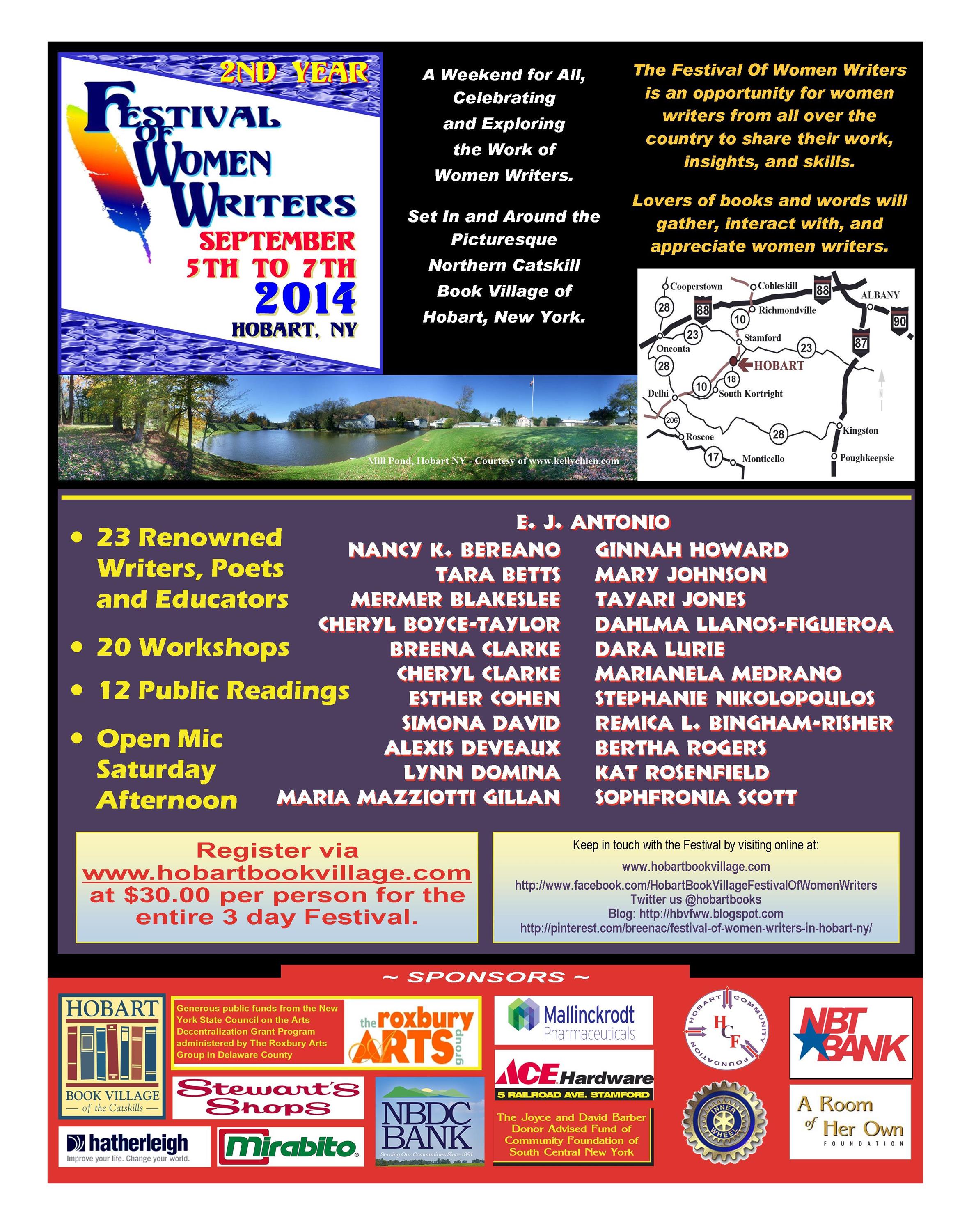
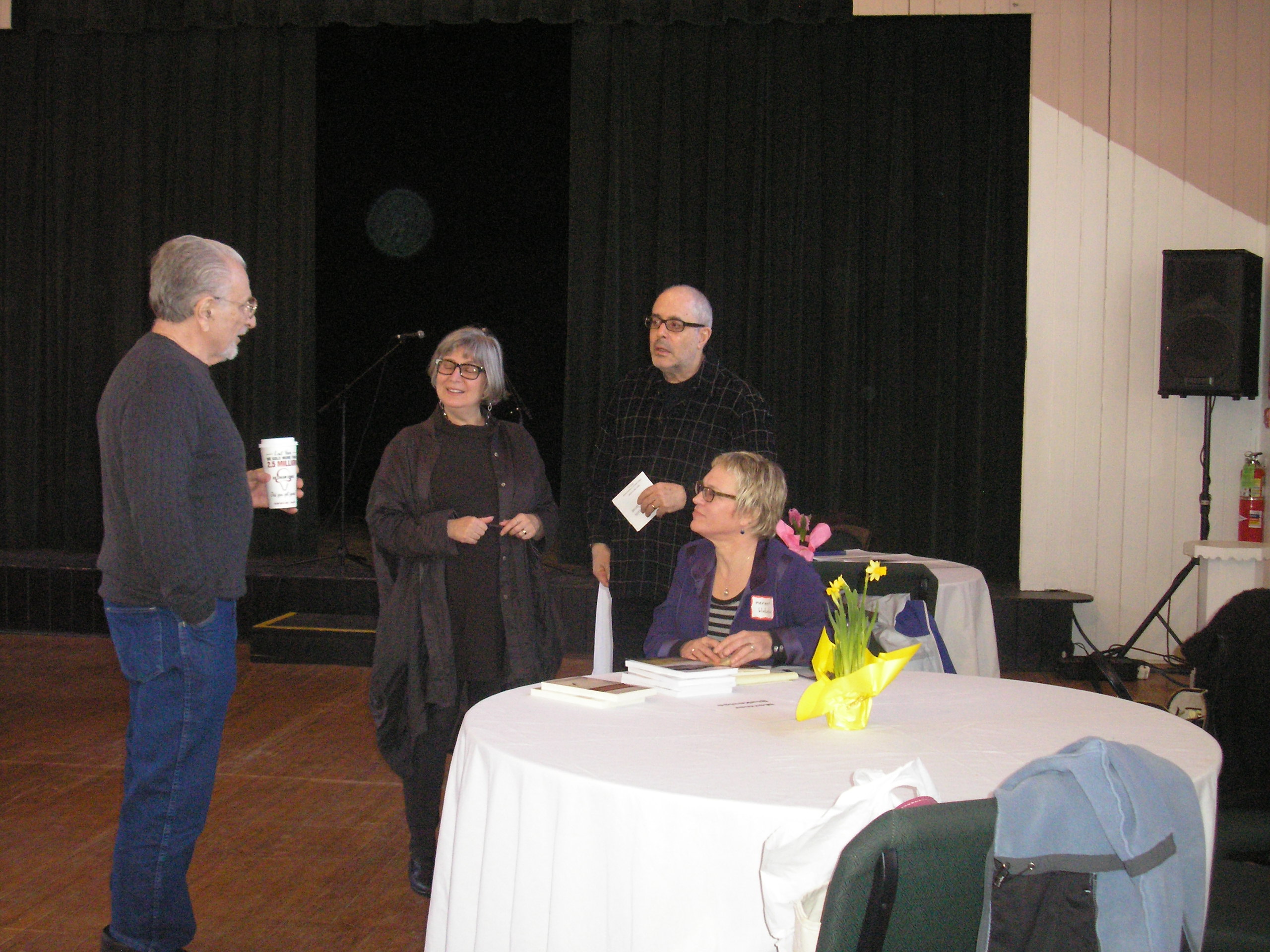
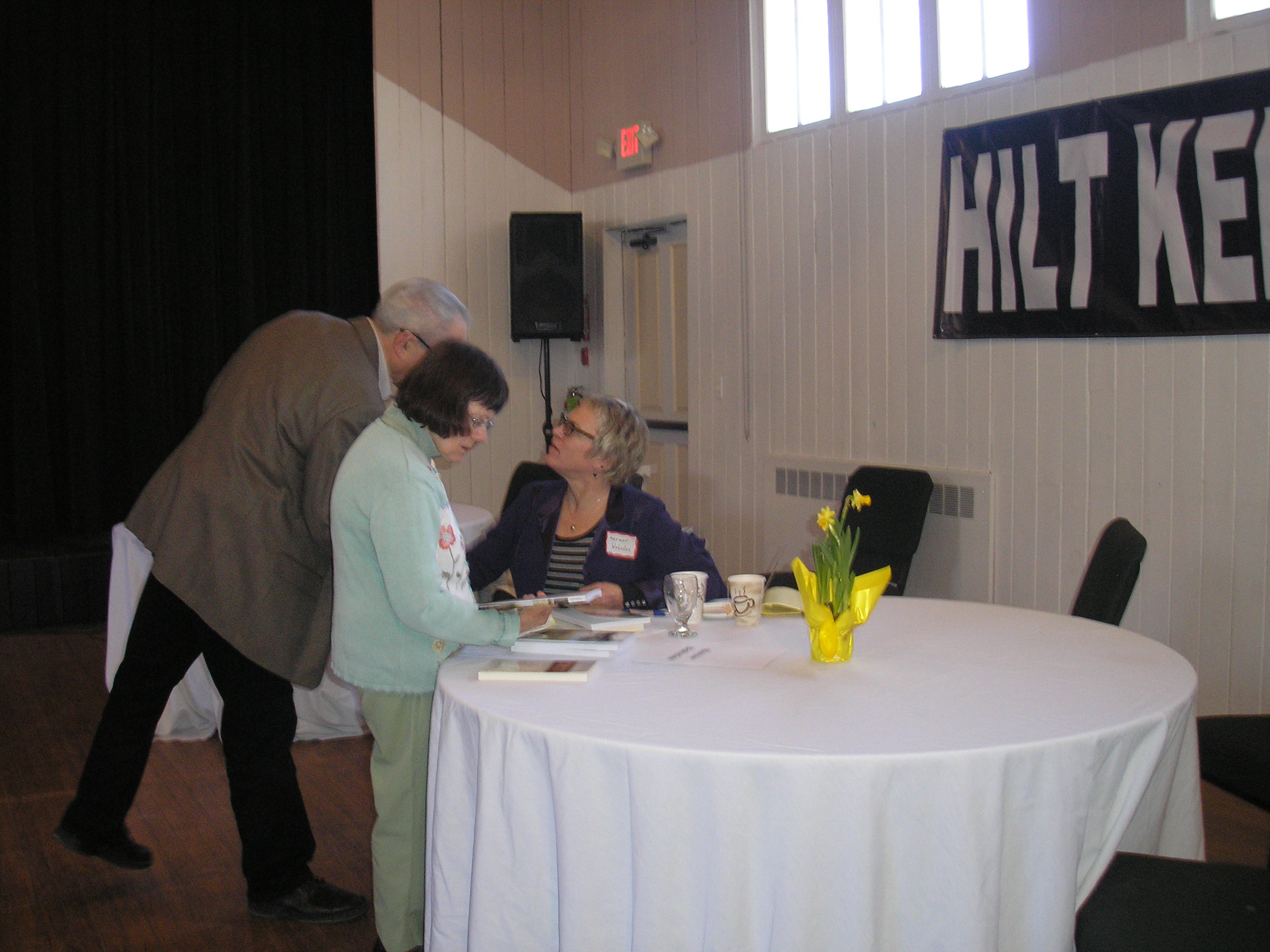
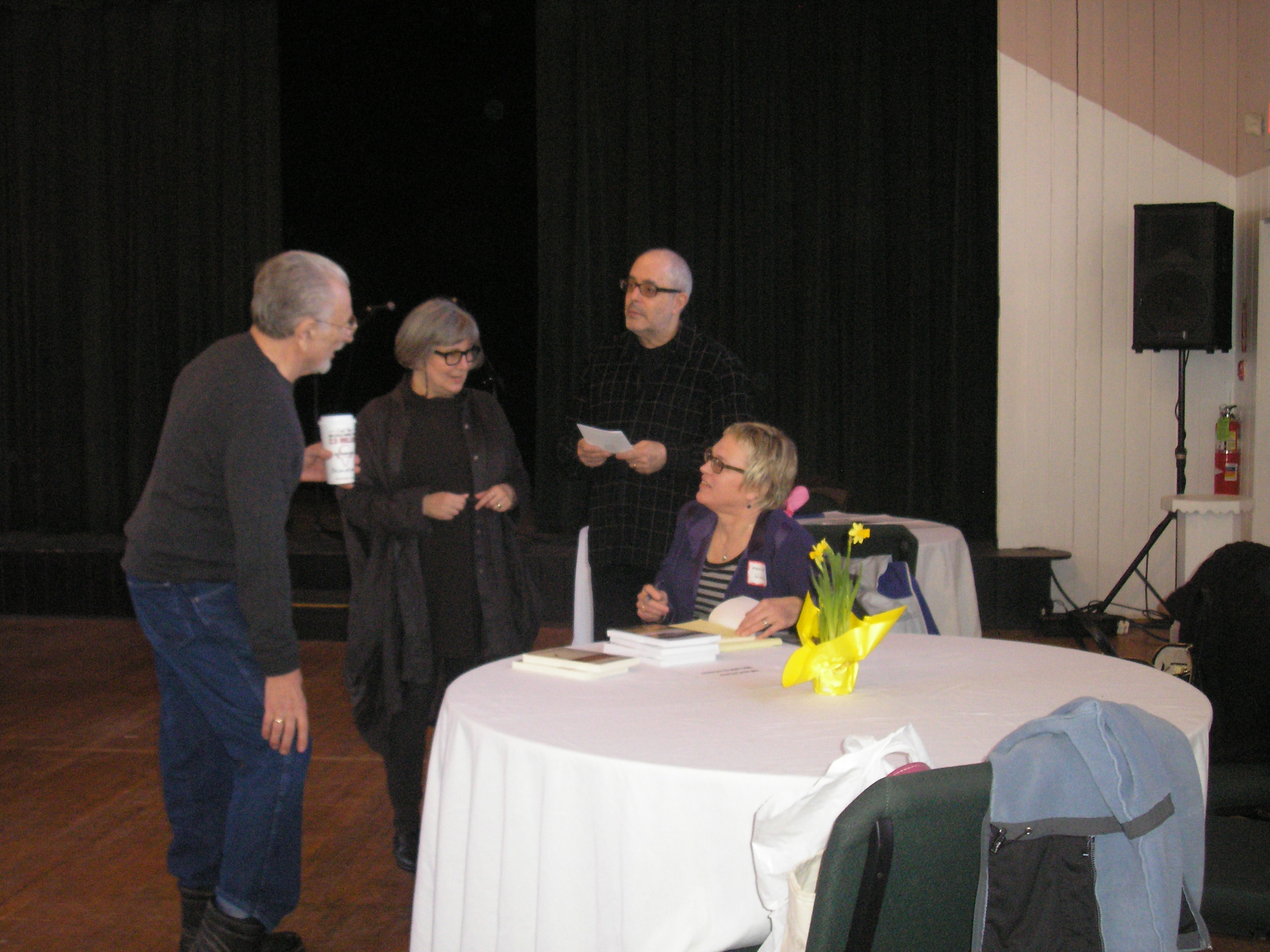
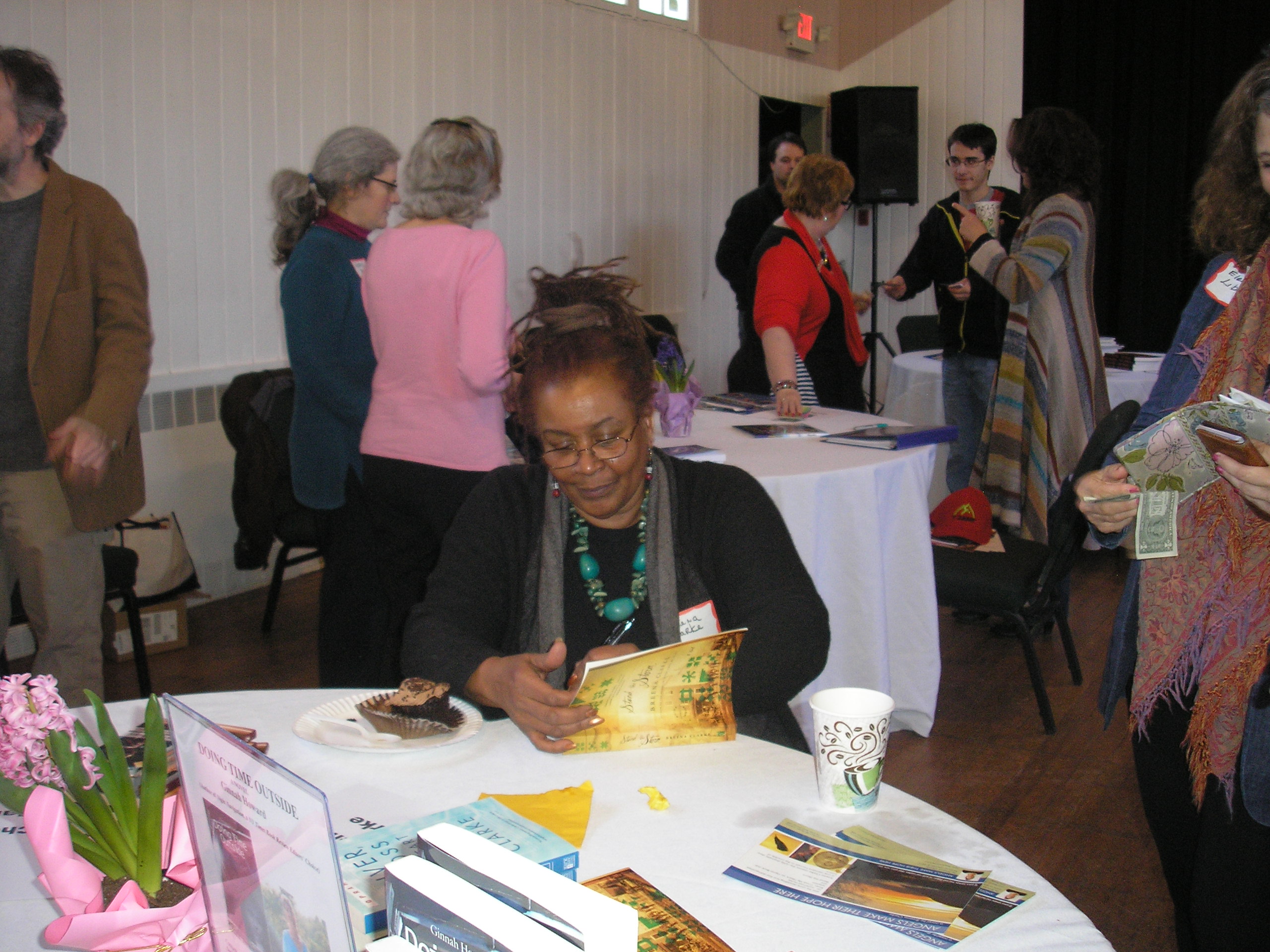
Meet the Authors Book FestivalWriters in the Mountains (WIM) invites you to Meet the Authors, the Second Annual Catskills Book Festival,on Sunday, April 12, 2015 from 12 noon to 4 p.m. at the Roxbury Arts Center, 5025 Vega Mountain Road, Roxbury, NY. Participants include award-winning writers Mermer Blakeslee, author of When You Live by a River, and Breena Clarke, author of River, Cross My Heart; Stand the Storm; and Angels Make Their Hope Here.
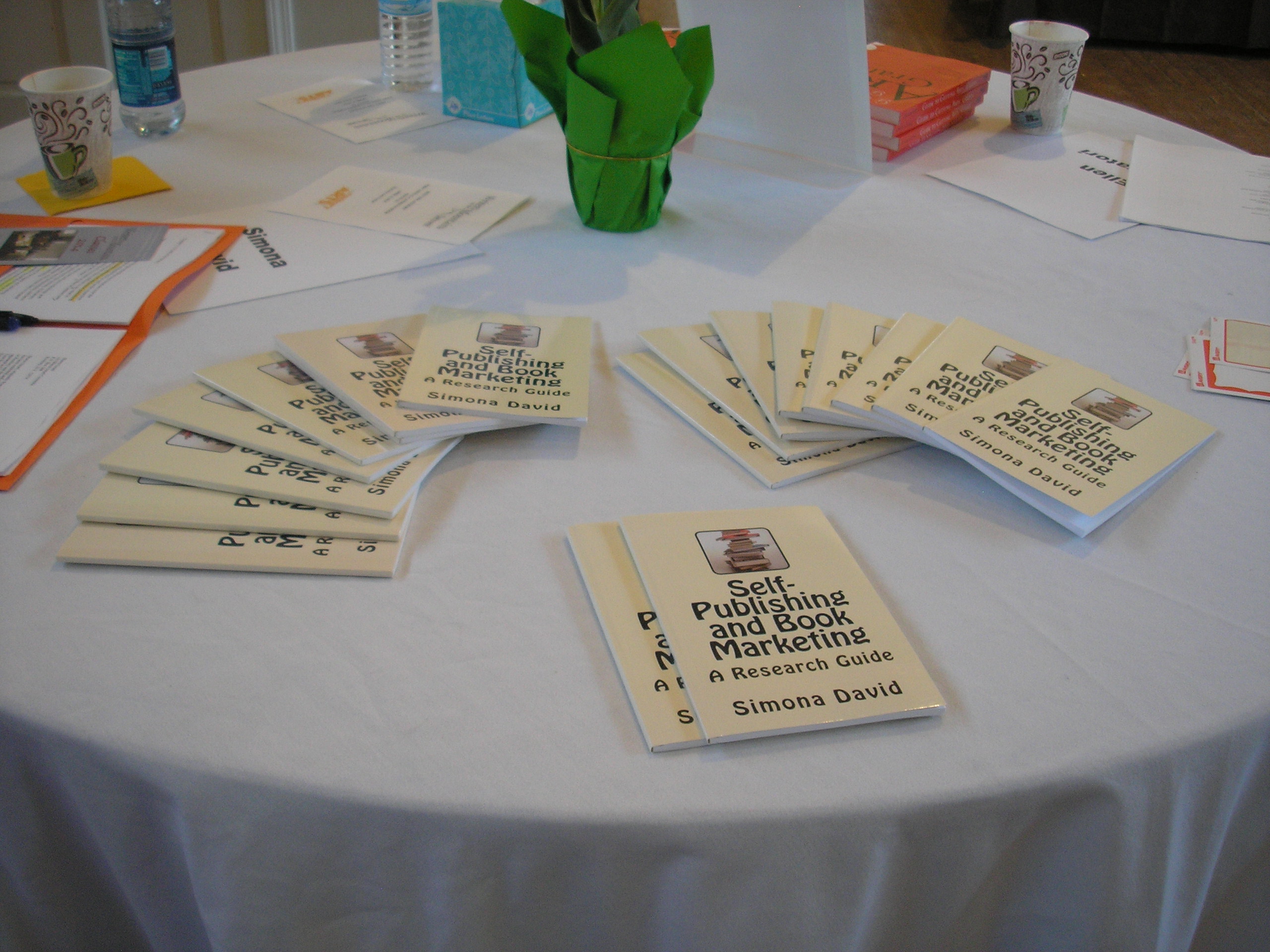
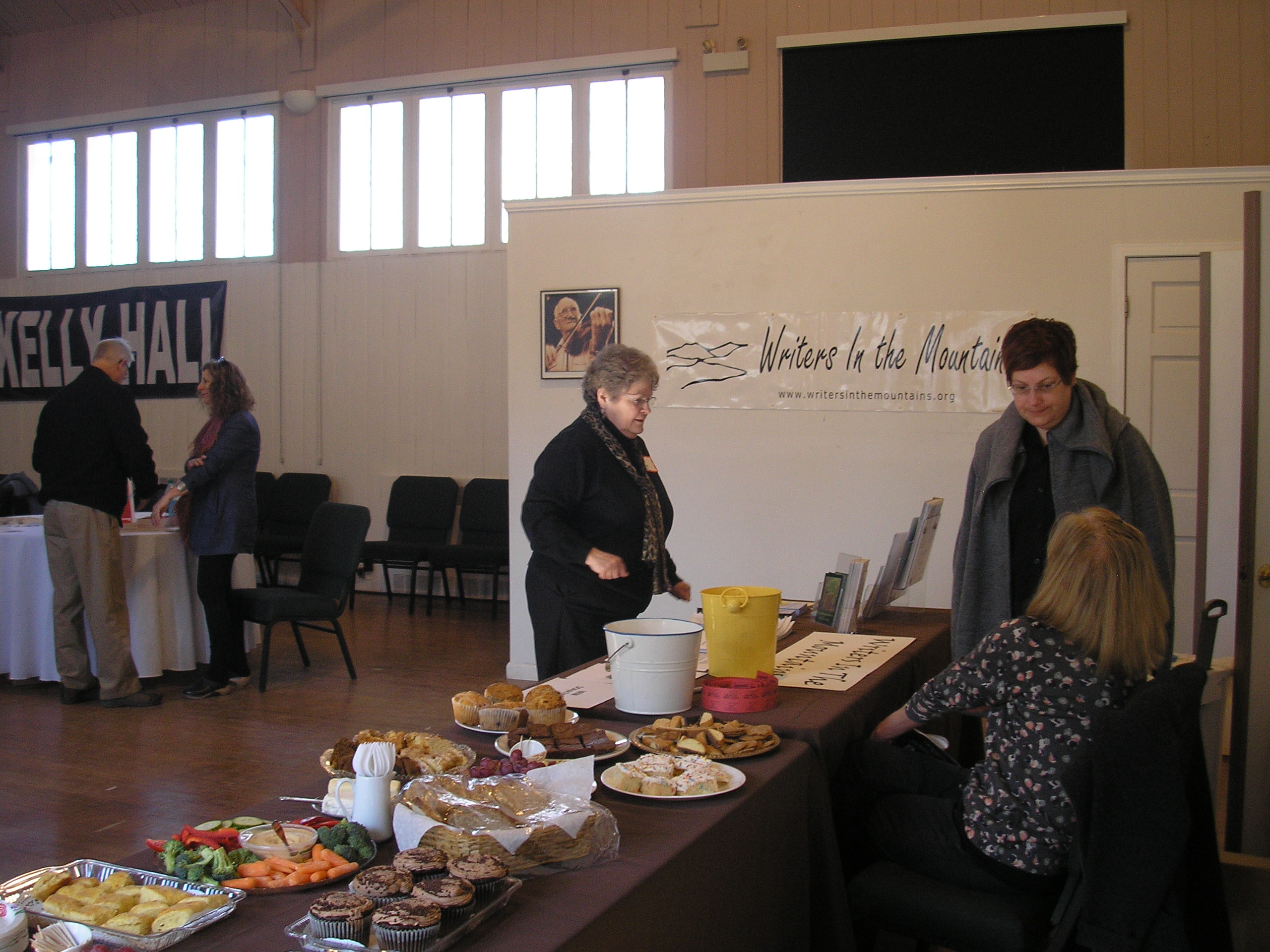
The daylong event welcomes all writers and readers, artists and audience, and community members from every walk to brave the mud and chill of early spring and enjoy a warm gathering of a range of successful and fascinating writers, illustrators, editors, educators, booksellers, and publishers from Cooperstown to New York City and points between and beyond. The venue is an intimate setting that allows for one-on-one introductions, focused dialogue, and a sharing of the love of literature, all in the spirit of local energy, inspiration, and support. Come by to shop for books directly from their authors, hear readings and peer-to-peer discussions, join in an enticing raffle (books are the prize, of course), and vote in the Best Book Cover contest.

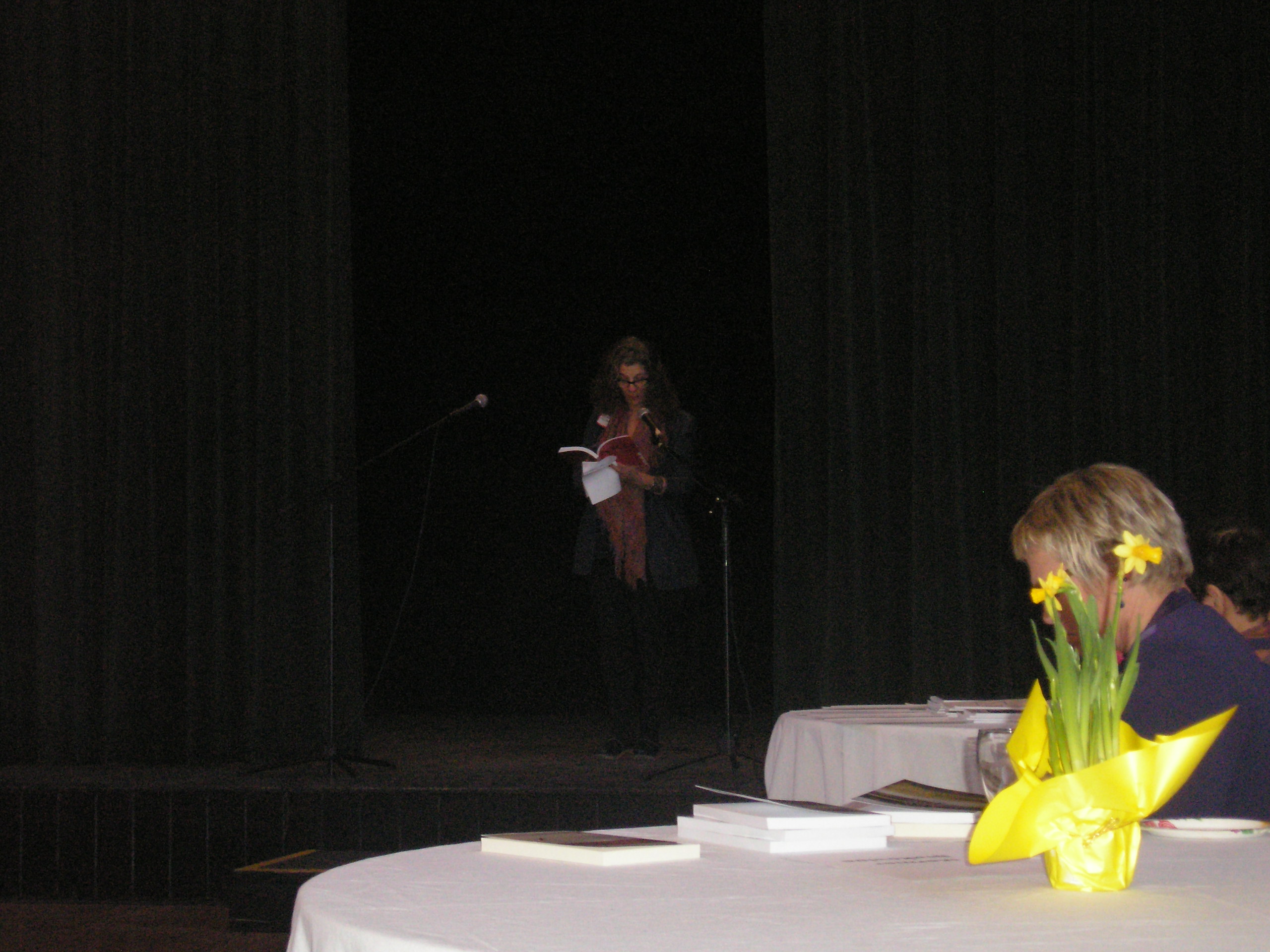
The program includes a poetry reading at 12:30 featuring Sharon Israel, Mermer Blakeslee, Peg DiBenedetto, and Geoff Rogers. At 1:30 there will be a group discussion on the latest news and trends in publishing headed by author Jenny Milchman (see below), editor Robert Wyatt, and consultant Simona David.

At 2 p.m., Jenny Milchman (Ballantine / Penguin Random House) will deliver the keynote address, Two Roads Diverged: Publishing a Book in 2015 & Beyond. Jenny Milchman’s debut novel, Cover of Snow, earned starred reviews from Publishers Weekly and Booklist, as well as praise from the New York Times, San Francisco Journal of Books, the AP, and other publications. It was an Indie Next List and Target pick, won the Mary Higgins Clark Award for best suspense novel, and was nominated for both the Macavity and Barry Awards for best first novel. Her second book Ruin Falls, also an Indie Next List pick, was published in 2014 to starred reviews from Booklist and Library Journal, and chosen as a “10 Best of 2014” by Suspense Magazine. Jenny’s third novel, As Night Falls, will be published in June 2015.

At 2:30, illustrators Alix Travis and AnnDuBois will discuss the ins and outs of designing picture books, and cookbook editor Carrie Bradley Neves will talk about new ingredients in the cookbook scene during the “foodie” era.

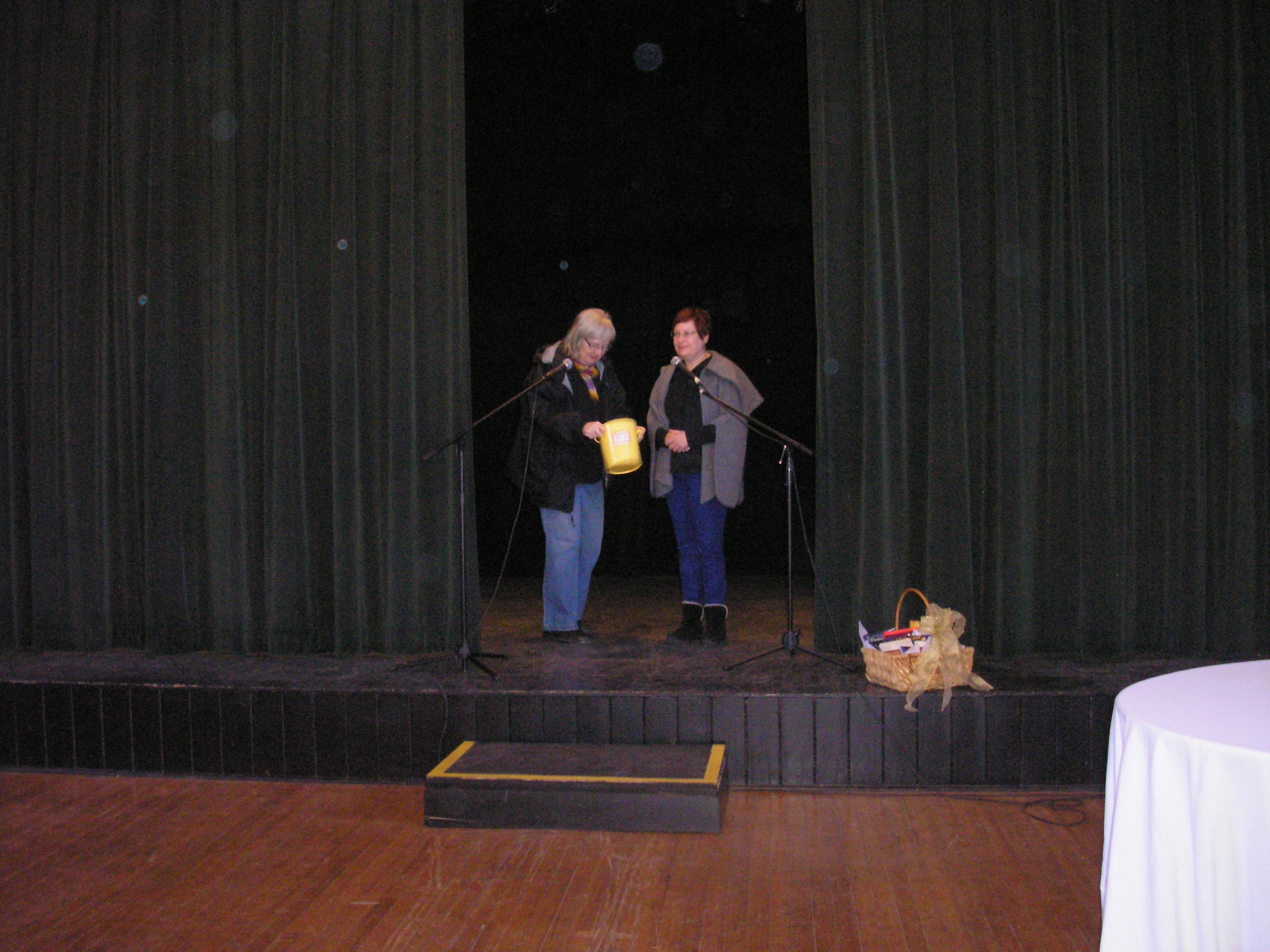
At 3:30, a raffle with the prize of ten selected book titles will be awarded (come early, tickets are limited!), and the winner of the Best Cover contest will be announced.

Throughout the day, all participating authors will read from their works and share their stories with the audience. Admission is free. Parking is available on Main Street and in the municipal parking lot. For more information visit writersinthemountains.org, or email writersinthemountains@gmail.com.

FOR FULL PROGRAM AND AUTHORS’ BIOS, GO TO http://writersinthemountains.org/book-festival/

Woodstock Writers Festival’s Sixth Anniversary

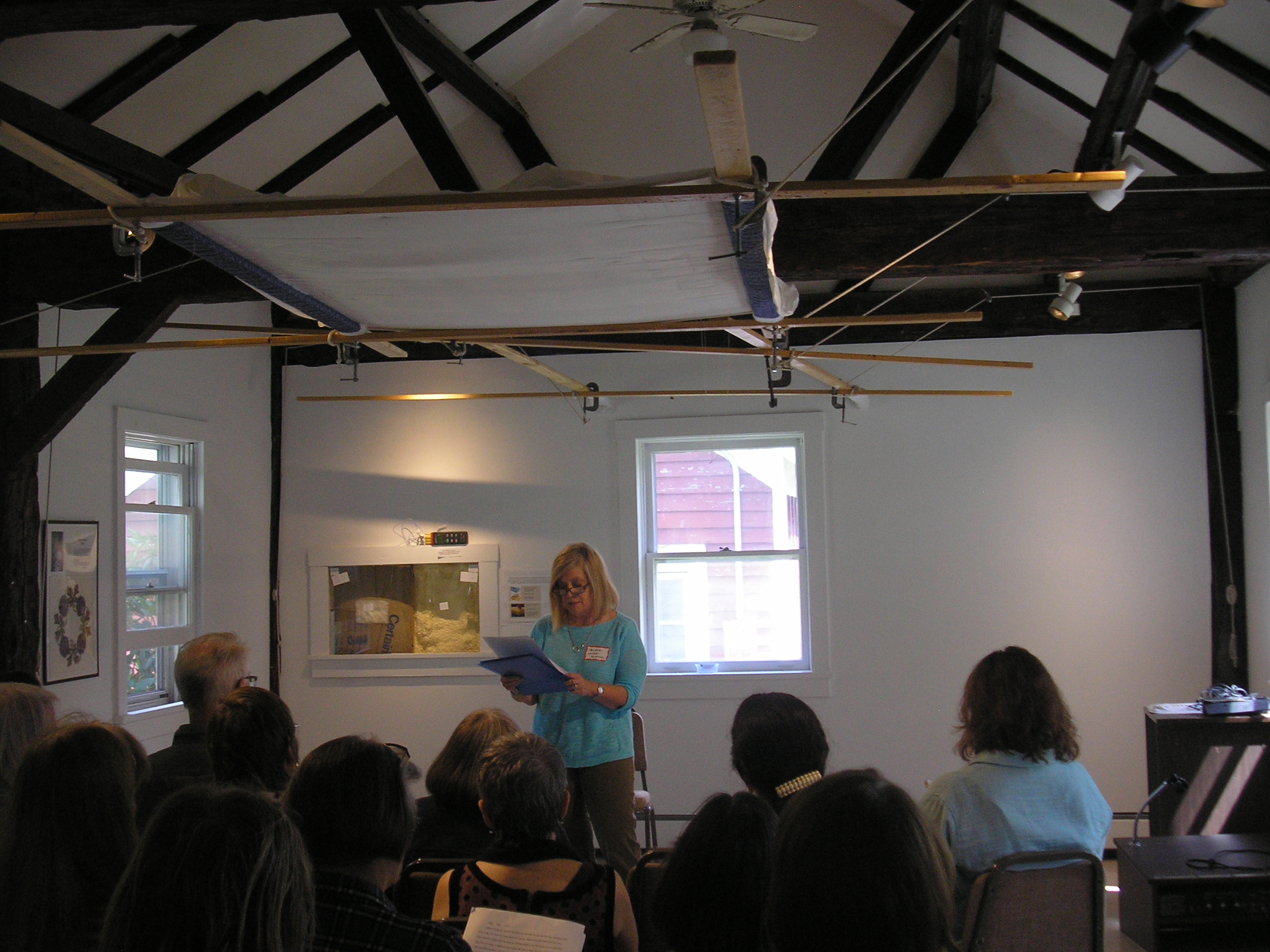
The Woodstock Writers Festival celebrated its sixth anniversary this past weekend, March 19 – 22, with a variety of workshops, panel discussions, a story slam competition, as well as a couple of parties, after dinner conversations, and a Sunday morning literary brunch.

OLYMPUS DIGITAL CAMERA

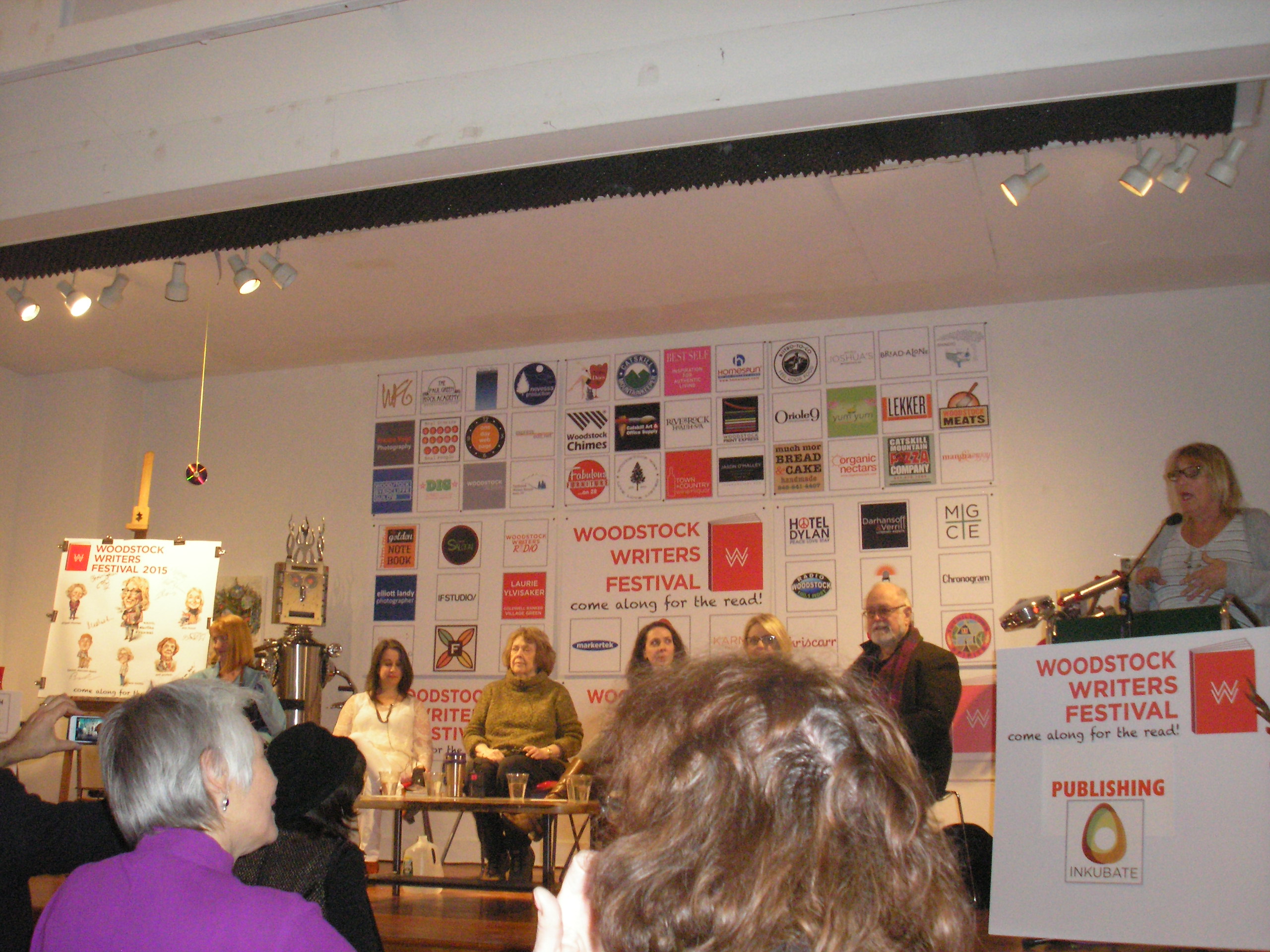
I attended the publishing panel on Saturday morning. Panelists included: Gail Godwin, a three-time National Book Award finalist, and the bestselling author of twelve novels, including Publishing: A Writer’s Memoir, published by Bloomsbury Publishing; Jenny Milchman, author of three acclaimed novels published by Ballantine, an imprint of Penguin Random House; Sara Carder, editorial director of Jeremy P. Tarcher, an imprint of Penguin Random House; Mary Cummings, vice president and editorial director of Diversion Books, a digitally focused publisher in New York City; and Ned Leavitt, a literary agent. The panel was moderated by Nan Gatewood Satter, a fiction and non-fiction editor with close to thirty years of experience.

What I took out:

  • Gail Godwin emphasized the importance of having a good editorial team, and an established long-term commitment among publishing partners. She also talked about the authors’ ability to negotiate their rights, and secure some benefits even when they don’t quite get the exact terms they were looking for. She warned authors of doing too much pro-bono writing.
  • By contrast, Mary Cummings talked about pro-bono writing such as submitting articles to newspapers and magazines as an investment in the author’s brand and long-term sales. Cummings talked about the importance of crunching data and fine-tuning the marketing strategy for each title on a monthly basis. No title is ever abandoned. In addition, she emphasized the role of social media in connecting authors with readers, and also the role social media plays in enhancing an author’s brand. Cummings was fond of search engine optimization techniques; she said she puts a lot of effort into creating “foundable books.”
  • Sara Carder confessed that this was a “frightening” time for the publishing industry. She talked about the creative process, and the effort each editor puts into each new book project. She said she relied on her intuition when deciding whether to move forward with a book project or not. Carder also feared that search engine optimization techniques would hurt “poetic titles” and other creative ways of differentiating a book. She did however agree that newspaper and magazine articles can help a writer’s brand, and wasn’t too worried about pro-bono writing.
  • Ned Leavitt talked about the excitement of good writing. He was worried about Amazon’s publishing model. He also confessed that intuition plays quite a role in his work.
  • Jenny Milchman talked about her journey to publishing; it took her eleven years to get published, but in the end she got the deal that she wanted to get. Since 2013 she’s been publishing a new novel each year. Milchman was keen of social media, and enjoyed connecting with readers. Each year she does a long book tour, visiting hundreds of bookstores all over the country.

Jenny Milchman will be at the Writers in the Mountains’ book festival on April 12; she’ll be talking about publishing. She’ll also be delivering the keynote address.

News and Trends in Publishing

A quick overview of what’s new and trending in the publishing and content marketing industries.

  • First and foremost, news from Amazon: Amazon authors may have received news about changes in the European Union (EU) tax laws regarding the taxation of digital products (including e-books). The Value Added Tax (VAT) used to be applied based on the seller’s country, but beginning January 1st this year the VAT is being applied based on the buyer’s country. Kindle authors were asked to re-visit their pricing strategies, and make adjustments moving forward.

OLYMPUS DIGITAL CAMERA

Also, Amazon had gradually expanded its Kindle Unlimited services to include countries like Spain and Italy (since November 2014), France and Brazil (since December), and Canada and Mexico (since February). Kindle Unlimited is a subscription service that allows customers to read as many book as they like and keep them as long as they want for a monthly subscription fee. This is different from being an Amazon Prime member: anyone can subscribe to Kindle Unlimited services for a $9.99 monthly fee.

Authors who have enrolled their e-books in KDP Select, and have made their titles available to the Kindle Owners’ Lending Library ought to know that all titles enrolled in KDP Select are automatically enrolled in Kindle Unlimited as well. Authors do get paid royalties once a customer has downloaded and read at least 10 percent of their books. But there are concerns that authors actually earn less, as a result of fierce competition from other titles (Kindle Unlimited currently has a library of over 750,000 titles). You can read more opinions about Kindle Unlimited here. To learn more about authors’ royalties, visit https://kdp.amazon.com/help?topicId=A3BQJE2QV37M1B.

  • Mark Coker from Smashwords listed his predictions for 2015, which, as expected, include the increase in digital reading and independent publishing, but also some unexpected considerations. I find particularly interesting Coker’s prediction that independent authors will in fact face increased competition from traditional publishers in 2015, and also the fact that Coker expects many more indie authors to just give up. Coker also thinks that major publishers will begin experimenting with free products in 2015, a strategy that has been far too common among indies. At the same time, Coker warns that freebies aren’t what they used to be, because there are so many free books already on the market. We’ll see what 2015 bears for both traditional and independent publishers.
  • Social media will continue to evolve and bring ever more changes to the way we’re doing business. The landscape is becoming so complex, that analysts recommend an increased specialization in this field. While integration across multiple platforms has been unavoidable for some time, 2015 is seen as the year brands can no longer avoid paying for ads on social media. Video sharing is rapidly spreading, and gaining more popularity. SlideShare is also becoming trendier, as it plans to introduce video sharing capabilities this year. As a novelty, Twitter and Facebook may introduce a “Buy” button so users can make purchases without leaving these platforms. According to trend analysts, in 2015 interactive brand personas will become ever more common. To read more about social media trends, visit http://www.socialmediaexaminer.com/social-media-marketing-predictions-for-2015/.

documents

Specifically, when looking at content marketing trends, having a well-documented content strategy, using catchy headlines, and making content easy to share are at the top of the list. More suggestions and recommendations can be found here. For more marketing trends, go to http://www.fastcocreate.com/3040028/how-marketing-will-change-in-2015-the-creative-forecast.

Have a great and productive year!

The Second Edition Is Now Available as Paperback and E-Book

BookCoverPreview - Copy

Art in the Catskills, The Definitive Guide to the Catskills’ Rich Cultural Life is a compendium of one hundred and twenty-three arts organizations, events and other attractions in the Catskills and surrounding area, some in the neighboring Hudson Valley, and others elsewhere upstate New York. The guide includes anything from museums and memorial sites to summer festivals, art galleries and residencies, as well as theater and literary retreats. It walks the reader through a wide geographic area, from Woodstock to Livingston Manor, and Saratoga Springs to Cooperstown. Easy to digest, Art in the Catskills is a great resource for art enthusiasts travelling through the region.

Independent or Traditional Publishing?

books modernAs more and more aspiring authors debate over traditional versus independent publishing, I am weighing in this debate by exploring the pluses and minuses of each option. Herein I will consider the relationship between author and publisher from a historical perspective, I will look at self-publishing from a business and marketing standpoint, I will share statistics and trends, and I will mull over the future of publishing.

Historical Perspective

Over the past five years or so we’ve talked extensively about self-publishing given tremendous opportunities created by digital technology, but self-publishing is not new. Shortly after the invention of the printing press in Germany in 1450, German painter Albrecht Durer self-published an illustrated book called The Apocalypse, as reported by Hyperallergic and other sources. As a side note, Durer’s godfather, Anton Koberger, one of Germany’s most successful publishers around that time, published The Nuremberg Chronicle in 1493 – that book is on display at Vassar College through December this year.

To resume, artists and writers with entrepreneurial spirit have always existed. In the 17th and 18th century Europe self-publishing was fairly common; self-publishers were using subscription models to hook new readers. But moving forward into the 19th century, the advent of newspapers and magazines changed again the way publishers were doing business, by enabling them to publish short book excerpts and popularize novel ideas. It’s worth mentioning the essay published in October this year by The Economist magazine From Papyrus to Pixels: The Digital Transformation Has Only Just Begun, a piece musing over the past and future of publishing from different perspectives.

Granted, the relationship between authors and publishers hasn’t always been a rosy one: in 1849, for instance, Thoreau had a hard time finding a publisher for A Week on the Concord and Merimack Rivers, as reported by Brain Pickings; eventually, he paid out of pocket to print 1,000 copies – only 300 would sell. In 1845 Edgar Allan Poe only made $20 for the publication of The Raven, despite the instant success of the poem. Meanwhile, in 1855 Walt Whitman decided to self-publish Leaves of Grass – Whitman only printed 800 copies, and although the sales weren’t great, the author wasn’t discouraged. Today, we’re looking at traditionally published authors like David Mamet, who is considering self-publishing, and also at successful self-published authors like Bella Andre, who sold millions of copies of her novels, and made The New York Times Bestseller List.

Self-Publishing Is a Business

Self-Publishing is a business. Writers who self-publish are also publishers, marketers, and business managers. Publishing a book is very much like a start-up – it involves everything from product development, the book, to knowing the technology that’s involved, resources that are available, project cost, market research, branding, distribution, sales, and taxes. Successful self-published authors understand the book market – they know what people read, and how they read, know who their competition is, know how to price their books, know how to promote and distribute; they can compare different publishing models, and make a profit. In sum, authors who self-publish are more than writers – they are also entrepreneurs.

Self-publishing and book marketing go hand in hand, because authors who self-publish have to market their books, and build name recognition. Therefore, in addition to being writers, authors today are also performers, communicators, and brands. In that sense, I’m quoting Helmut von Berg, a publishing expert, who said for Publishing Perspectives in January 2013 that: “publishing of the future is networked publishing.”Also Seth Godin, who just published a CD of his bestselling book Tribes, emphasizes the importance of having a tribe, when it comes to marketing and sales: “All those blogs and social networking sites are helping existing tribes get bigger and enabling new tribes to be born.”

Trends and Statistics

In 2013 there were a total of 458,564 self-published titles, an increase of 17% from 2012; broken down by format in 2013 self-publishers published 302,622 print books, an increase of 28.80%  compared to 2012, and 155,942 e-books, a decrease of 1.60% compared to 2012. The source is Bowker Market Research.

In 2013 self-publishers preferred print to digital, a remarkable finding, considering how much easier it is to self-publish digital rather than print content. The ratio print to digital was 60 – 40 in 2012; in 2013 that changed to 66 – 34 print to digital.

Also, another exciting trend, in October 2014 Frankfurt Book Fair, the world’s largest book festival, expanded its successful self-publishing German-language arena to include English-language books; the fair hosted this year a two-day intensive program dedicated to self-publishers, thus acknowledging the increased importance of independent publishing.

The Future of Publishing

In recent years we’ve seen a constant increase in self-published titles. But traditional publishers are no stranger to this market either: in 2008 HarperCollins created Authonomy.com, a site dedicated to independent authors; in 2011 Penguin U.S. created a similar site called Bookcountry.com; in 2012 Penguin acquired Author Solutions, one of the biggest self-publishing conglomerates; also in 2012 Simon & Schuster partnered with Author Solutions to create Archway Publishing. Furthermore, in 2013 Bowker, the agency that issues ISNBs in the United States, in existence since 1868, created a site called SelfPublishedAuthor.com, providing resources for authors contemplating independent publishing. In sum, traditional publishers appear not only to have been embraced self-publishing, but also to profit from it.

Pundits looking at traditional publishing models ponder over what changes the future might bring. And editors working in big publishing houses already moonlight as freelancers for independent projects. Meanwhile, Penguin UK is offering online writing courses, thus this major company becomes more than a publisher, and enters the realm of instruction and education. Other pundits wonder whether traditional publishers would unbundle their services, and thus offer authors just what they need, whether be editorial services, design, marketing or distribution.

In conclusion, should you self-publish or look for a publisher? The answer depends on a whole range of factors. It’s important to look at both options, and assess pluses and minuses. Ultimately the decision will depend on the goals and needs of each author, and the nature of each book project – some projects are more complex than others from an editorial, legal, or financial standpoint. Your choice.

© 2014 Simona David

simonadavid.com